
Good policy determines the success of oil and gas development
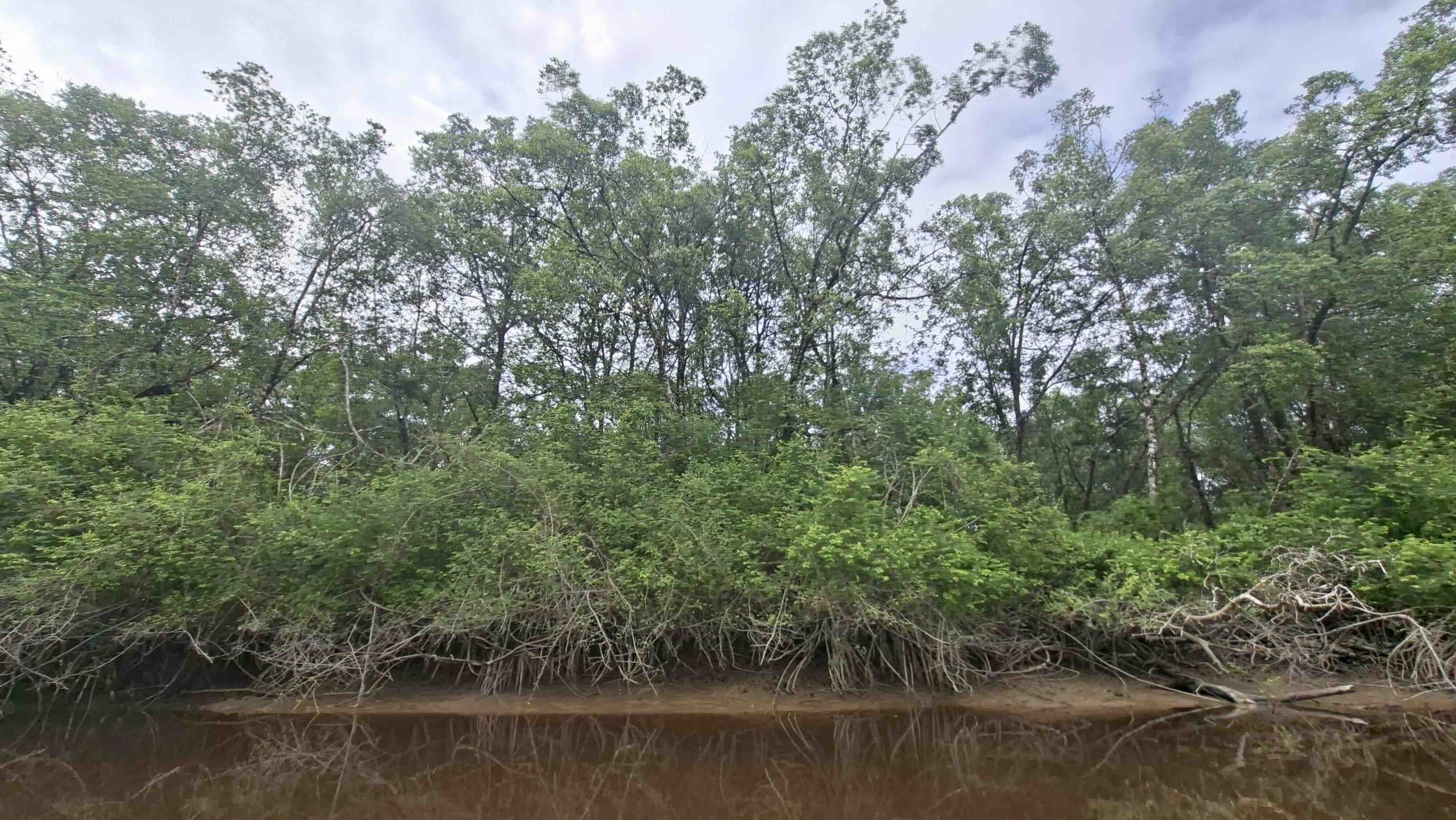
Gas and oil development not only presents opportunities but also raises important questions regarding environmental protection, coastal defense, and sustainable development. Environmental scientist Max Huisden states that the future of the oil and gas sector in Suriname could still go in any direction. Without proper monitoring, effects on fish stocks, coastal ecosystems, and water quality could go unnoticed. “With sound policy and evidence-based decision-making, in which expertise is actively involved and systematic investments are made in capacity building, research, and data collection, this can become an important phase of development for Suriname.”
When asked how Suriname can prevent oil and gas development from coming at the expense of nature, the living environment, and future generations, he emphasizes the importance of careful preparation and oversight. “It is essential that extensive baseline studies are conducted before large-scale activities take place. In addition, consistent monitoring of key parameters is necessary. The results of this must guide an expert and responsible policy framework.”
Huisden sees one of the biggest challenges in the lack of focus on sustainable and green development. Environmental policy is still heavily dependent on input from economic sectors and the government. As a result, the impression sometimes arises that environmental protection clashes with political and economic interests. This dependency can be harmful to nature, biodiversity, and public health. According to him, research must be conducted independently, objectively, and scientifically, and subsequently guide policy-making. “We must diversify our economy and invest in sustainable sectors. That means more attention to green development and less room for activities that pose significant risks to the environment, nature, and public health. Ultimately, everything stands or falls with good governance and a sincere commitment to the country and its people. At this moment, the balance has not yet been fully restored. Nevertheless, as a society, we must remain hopeful, join forces, and work towards a sustainable future for our country.”
According to him, the coming years will be decisive in determining whether Suriname manages to convert oil revenues into sustainable prosperity or makes the same mistakes as other resource-rich countries. Internationally, we see examples of both failures and successes. We can draw important lessons from these.” Huisden hopes that the government will set to work on fully evidence-based policy within one year. That policy must be open to scientific insights and be developed transparently. “Stimulating research, building Surinamese peer-reviewed data, and strengthening the independence of science and institutions is essential, so that they can determine what is needed for the country without political or financial pressure.”