
Suriname must make local content work now
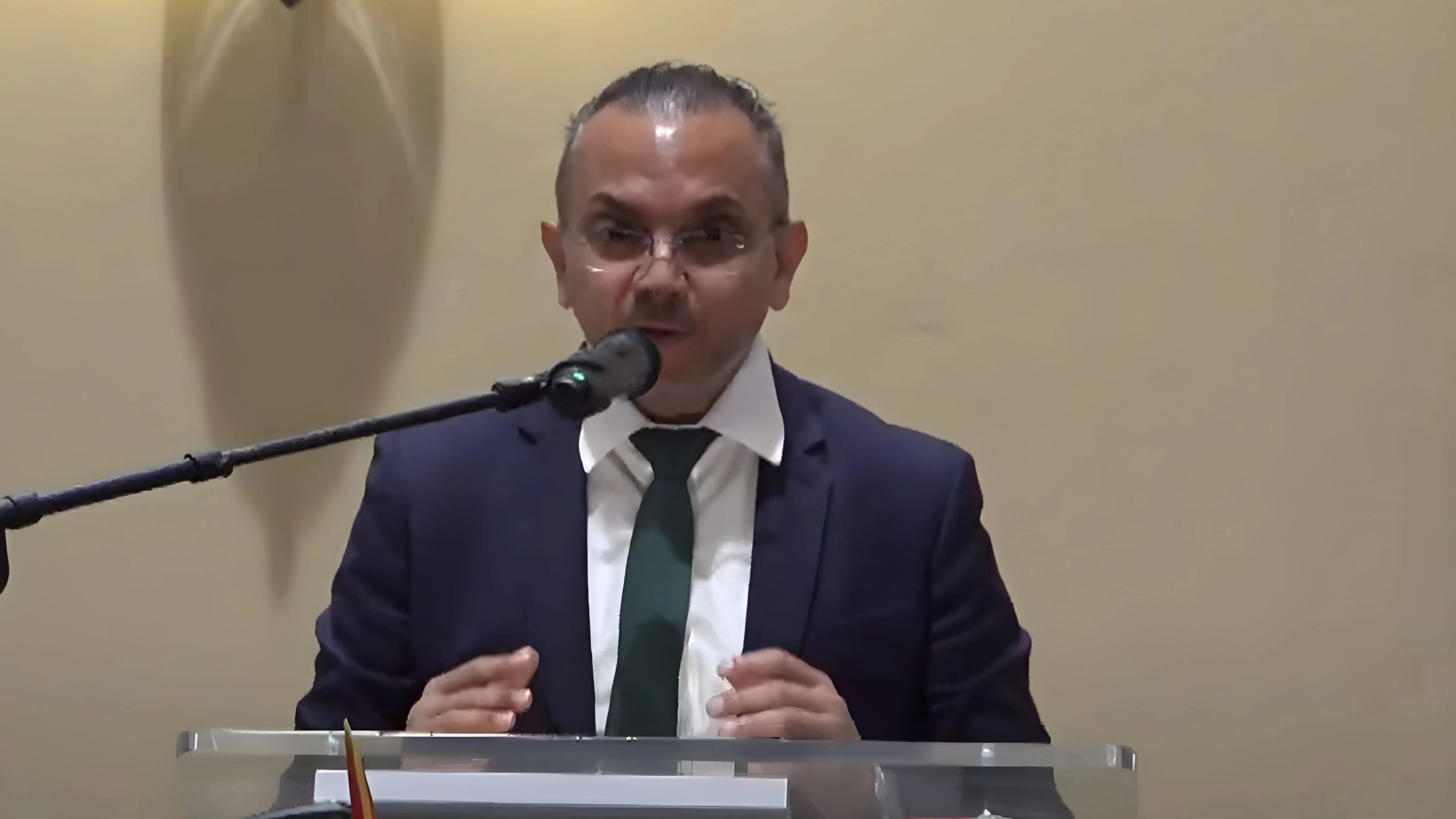
Like many other experts, Steven Debipersad, chairman of the Association of Economists in Suriname (VES), sees major opportunities in oil and gas development. He expects Suriname to benefit significantly from the sector—possibly even more than it did in the past from agriculture and the bauxite industry. However, he warns that “we must prevent the creation of an exploitative society.”
Debipersad sees an important role for the government in this regard. The government must establish clear laws and regulations that protect the interests of Suriname and its people. He points out that natural gas, in particular, offers major opportunities. It is a relatively affordable energy source and, with the right technology, can contribute to lower energy costs. “This will make Suriname more attractive for production and industrial development.”
The VES chairman argues that mining has contributed more to Suriname’s economy than agriculture. “For a country the size of Suriname, agricultural revenues are simply insufficient,” he says.
Standing strong as a country
Debipersad emphasizes that Suriname must prepare itself well for the arrival of major international companies. “When you, as a country, are dealing with a large player that determines the economic rules of the game, you are vulnerable.” Companies such as TotalEnergies are ultimately commercial enterprises. “When a country is in a weak position, they will try to take the largest possible share of the revenues.”
The oil and gas sector also offers Suriname opportunities it never had with the bauxite industry, particularly in the area of local content. Debipersad expects Suriname to become better at implementing local content as it becomes clearer which activities will take place in the coming years. He mentions, among other things, the construction of shore bases and the growing awareness of FPSOs (Floating Production, Storage and Offloading).
“Soon everyone will also understand how important onshore activities and onshore development are.” According to Debipersad, this is the time to develop a clear roadmap and put the necessary conditions in place.
One information portal
Debipersad also advocates for an independent information platform on local content that is accessible to everyone. People should be able to learn about opportunities whenever they need to. “By the time oil and gas production actually begins, you want people to have had enough time to inform themselves and prepare.”
Staatsolie has already started informing welders, but there must also be clarity about opportunities for other professions and which training or retraining programs are needed. Debipersad sees many initiatives in the area of local content but believes that available information should be better organized. An independent information portal, preferably in cooperation with the Ministry of Oil, Gas and Environment, could guide people through the opportunities and the steps they need to take.
He also advocates establishing an Enterprise Development Center (EDC) to actively guide entrepreneurs and citizens. “Citizens need somewhere they can turn to for guidance.” According to Debipersad, many people need more than just a service desk. “They need concrete information and personal guidance, both online and physically.”
SME Unit
Finally, Debipersad points to the SME Unit (small and medium-sized enterprises) of the Ministry of Economic Affairs, Entrepreneurship and Technological Innovation, which supports small and medium-sized businesses. However, many people are unaware that they can turn to the unit for assistance. Therefore, a clear development pathway must be created.
“Most people do not know what their own potential is. This is exactly where such an institution can be of great value. As the president has said several times: ‘We must invest in people.’ I hope the entire government will truly act on this.”